The roof over your head is one of the most critical components of your home, providing shelter and protection from the elements. However, not all roof issues are visible to the untrained eye. A qualified roofing company knows how to identify hidden roofing problems that can lead to costly repairs or replacements if left unaddressed. In this article, we will delve into these hidden issues and explain how professional roofers detect them before they become major headaches. Knowing these potential problems can save homeowners significant expenses and ensure their homes remain safe and dry over the years. 1. Water Penetration Points 1.1 Understanding Leaks and Seepage Water penetration is a pernicious issue that can significantly damage your home if not addressed promptly. Qualified roofing companies have the expertise to detect subtle signs of leaks that might be invisible to homeowners. Evident by stains on ceilings and walls, leaks often go unnoticed until substantial damage has occurred. According to This Old House, a 2026 survey found that 25% of those who replaced their roof did so because of an active water leak. Timely detection and repair of leaks can prevent mold growth and structural damage. 1.2 Analyzing Roofing Material Deterioration Roofing materials degrade over time due to constant exposure to weather elements. While some deterioration is visible, qualified inspectors can identify more subtle signs of impending failure. By analyzing shingle granule loss or detecting minor cracks, they assess the overall condition of your roof. Through advanced tools and techniques, professionals determine the lifespan left in roofing materials. Proactive interventions ensure that minor issues do not develop into major ones, saving costs and extending the roof's life. 1.3 Detecting Faulty Flashing and Seals Flashing and seals play critical roles in preventing water from entering the home at joints and edges. Roofing companies assess the condition of flashing around vents, chimneys, and skylights, looking for lifting or corrosion. Improper installation or aging material can allow water infiltration, leading to leaks and interior damage. Flashing issues may go unnoticed until significant water damage occurs, necessitating professional inspection. Early detection and repair of faulty flashing mitigate the risk of extensive water-related issues. 1.4 Evaluating Attic Ventilation Issues Inadequate attic ventilation can significantly affect the roof's effectiveness and lifespan. Poor ventilation traps heat and moisture, leading to higher temperatures in summer and potential ice dam formation in winter. Roofing experts evaluate and optimize airflow in attics, ensuring proper ventilation pathways. Better air circulation reduces condensation, preventing mold, mildew, and structural damage. A well-ventilated attic also enhances energy efficiency by keeping home temperatures consistent. 1.5 Identifying Improper Roof Slope Design An appropriate roof slope is essential to ensuring water does not pool and cause damage. Professional roofing inspectors analyze the roof's pitch to determine if it adequately channels rainwater into gutters. Inadequate slopes can result in standing water, increasing the risk of leaks and structural deterioration. Roofing companies recommend or implement design modifications upon identifying improper slopes. Such interventions prevent significant damage, maintaining the roof's integrity. 2. Structural Damage and Weakness 2.1 Spotting Damaged Support Beams Your roof's structural integrity heavily depends on the condition of its support beams. Inspectors look for signs of warping, splitting, or other damage that might compromise the roof's strength. Over time, environmental factors or infestations can weaken these beams, posing safety risks. By identifying such issues early, roofing companies can recommend repair or reinforcement strategies. Preventing beam failure avoids potential roof collapses, safeguarding both people and property. 2.2 Recognizing Roof Decking Weakness Roof decking serves as the foundation upon which other roofing materials are laid. Any weakness, such as sagging or rotting, undermines the entire roof's stability. Trained professionals assess decking condition through detailed inspections and subtle sign detection. By identifying weak points, they forestall further damage and recommend appropriate interventions. Proper maintenance and timely repairs ensure the decking remains robust, supporting long-term roof performance. 2.3 Evaluating Truss Damage Roofs provide essential support, distributing the roof's weight evenly across walls. Damage poses significant risks, potentially causing structural failure. Roofing companies inspect truss systems, identifying problems like cracks or termite damage. They evaluate overall truss health and recommend corrective measures as necessary. Addressing truss issues early prevents costly repairs, ensuring the building's structural integrity remains uncompromised. 2.4 Identifying Excessive Roof Loads Improper management of roof loads can lead to serious issues, including sagging or collapse. Roofers analyze weight distribution across the structure, identifying areas bearing excessive burdens. They determine if additional support or load redistribution is needed. Particularly heavy roofing materials, like slate or tile, require special consideration. Professional assessment of loads ensures the roof can sustain weight without risking structural failure. 2.5 Assessing Damage from Infestation Termites, rodents, and other pests can cause significant harm to roofing structures. These infestations often remain undetected until considerable damage has occurred. Roofing inspectors identify signs of infestation, such as frass, droppings, or gnawed materials. Once detected, they can recommend treatment options to eradicate pests and repair damage. Addressing infestations promptly preserves the roof's structural components and longevity. 3. Hidden Insulation Problems 3.1 Inspecting for Insulation Gaps Insulation gaps compromise energy efficiency and indoor comfort levels. Professional assessments identify poorly insulated areas within attics and walls, often missed by untrained eyes. These gaps lead to heat loss or gain, impacting heating and cooling systems' effectiveness. Identifying and sealing gaps enhances thermal efficiency, reducing energy bills. Professional inspections ensure comprehensive insulation coverage, optimizing home energy management. 3.2 Identifying Mold or Mildew in Insulation Mold and mildew growth in insulation indicate moisture problems, adversely affecting health and structure. Roofing experts look for signs such as musty odors, black spots, or discoloration. Mold can spread swiftly, necessitating prompt action to prevent further damage. Expert intervention removes hazardous mold, restoring healthy air quality and preventing structural compromise. Early detection is crucial to avoiding widespread infestations and extensive repairs. 3.3 Evaluating Thermal Bridging Thermal bridging occurs when conductive materials enable heat transfer, reducing insulation efficiency. Skilled roofers identify such bridges, often found in metal beams or poorly insulated corners. Detecting and addressing thermal bridges curtails unnecessary energy costs. By minimizing heat transfer, roofing experts enhance overall thermal comfort within homes. Professionals employ effective techniques like adding insulation or retrofitting existing structures to combat this issue. 3.4 Detecting Inadequate R-Value Insulation R-value measures insulation's resistance to heat flow, critical for energy efficiency. Professionals assess if insulation meets necessary standards, ensuring optimal performance. Insufficient R-values lead to increased energy consumption and utility costs. By detecting inadequacies, roofing companies recommend supplementation or replacement to achieve proper insulation. This proactive measure upholds home energy efficiency and indoor climate control. 3.5 Recognizing Signs of Insulation Settlement Over time, insulation can settle, reducing its effectiveness and compromising coverage. Settling often occurs in attics or walls, leaving gaps for uncontrolled air movement. Roofers trained to identify such settlement can recommend solutions to restore full insulation performance. By addressing these issues, homeowners maintain maximum energy efficiency and comfort. Skilled intervention mitigates the disadvantages of settled insulation, ensuring consistent temperature regulation. Identifying hidden roofing issues before they develop into significant problems is essential for maintaining the longevity and safety of your home. Professional roofing companies have the expertise and tools necessary to uncover these issues, offering repairs or replacements that save homeowners from unexpected costs. Regular inspections by trained professionals are invaluable in ensuring your roof remains a sturdy, capable protector of your household. Such diligence not only fortifies property value but also contributes to occupant safety and comfort. Thoughtful maintenance and professional vigilance promise enduring roof performance, keeping homes secure and resilient against nature's tests. Be sure to reach out to K. Kilker Construction today to learn more about our professional roofing company !
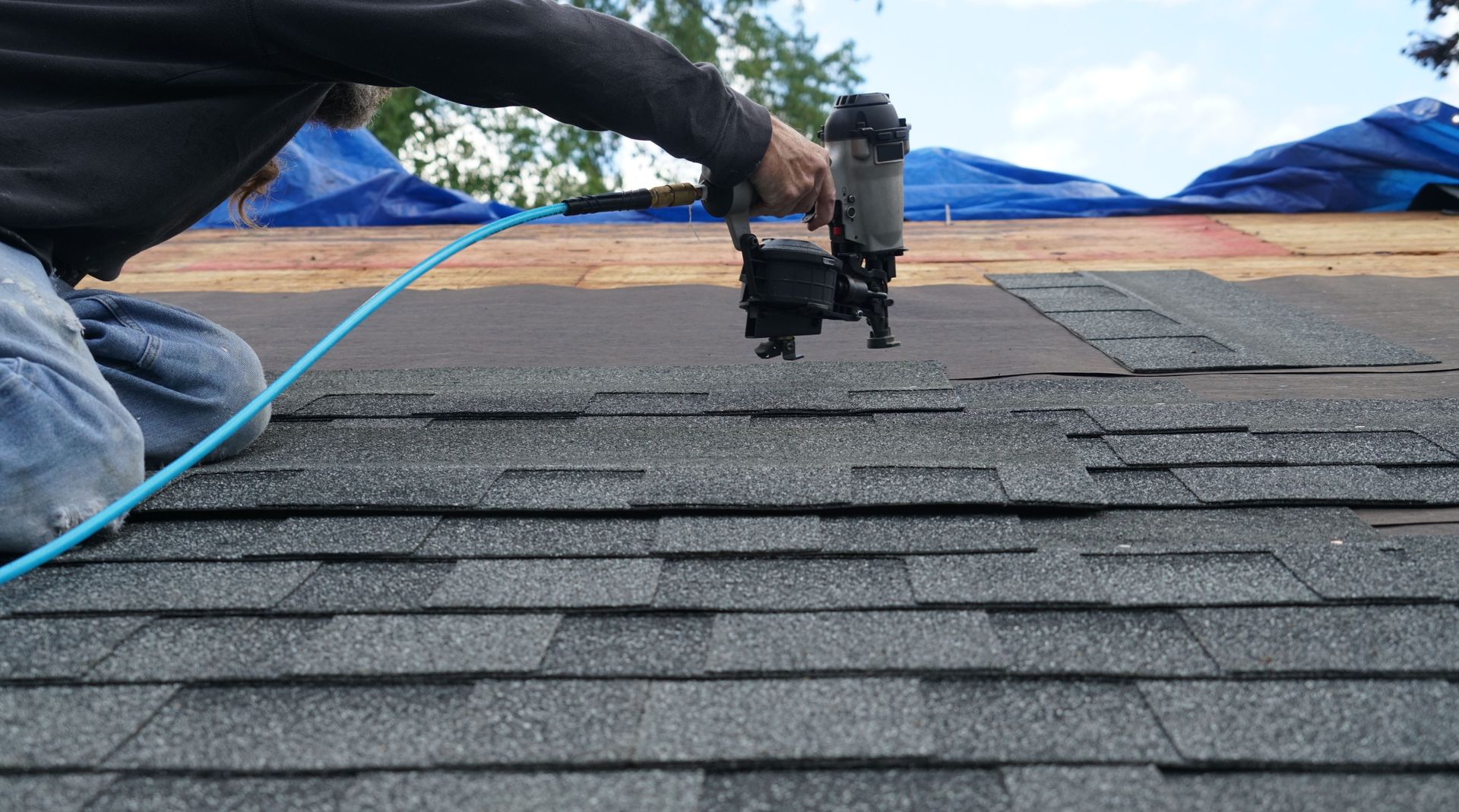
Searching for reliable local roof repair services? Learn how to evaluate contractors, verify credentials, and choose the right team to protect your home.
View more